
Assess Climate Risks and Build Resilience
Identify climate-related vulnerabilities, prioritise actions and strengthen resilience across your locations.
Transform Climate Data into Resilience Action
Climate risk assessments help organisations understand how current and future climate hazards could affect their sites, assets and operations. These assessments provide a detailed view of vulnerabilities, existing controls and potential impacts by combining climate data, site-specific information and our risk engineering expertise. The outcome is a clearer understanding of the climate risks you are exposed to, and where resource allocation will have the greatest return on investment. This approach aligns with Zurich Resilience Solutions' methodology of assessing hazards, evaluating vulnerabilities and supporting practical adaptation planning that reduces risk.
Our assessments can be delivered through desktop reviews or in-depth site evaluations. We analyse physical climate hazards, operational dependencies, existing control measures and exposure factors to determine where resilience can be strengthened. The process identifies both current risks and future challenges, helping organisations move beyond high-level climate analysis to location-specific insights that inform decision-making.
The result is a practical roadmap for improving resilience. Organisations gain prioritised recommendations that support operational continuity, asset protection and long-term planning. Climate risk assessments can also strengthen governance and reporting by creating a documented, evidence-based understanding of climate exposure, vulnerabilities and adaptation opportunities. The recommendations help build a defensible approach to managing climate risk while supporting investment decisions and resilience objectives.
Assess Climate Risks with Desktop and Onsite Solutions
Climate-related hazards can affect facilities, operations, supply chains and long-term business performance. Understanding how these threats may impact individual sites is a critical step in building a more resilient organisation. By identifying vulnerabilities and evaluating potential consequences, businesses can prioritise resources where they can have the greatest impact. A proactive approach helps reduce disruption, improve planning and support more informed risk management decisions.

Flood Exposure
Identify flooding vulnerabilities and prioritise practical mitigation actions.

Extreme Heat
Assess impacts on operations, assets and workforce resilience planning.
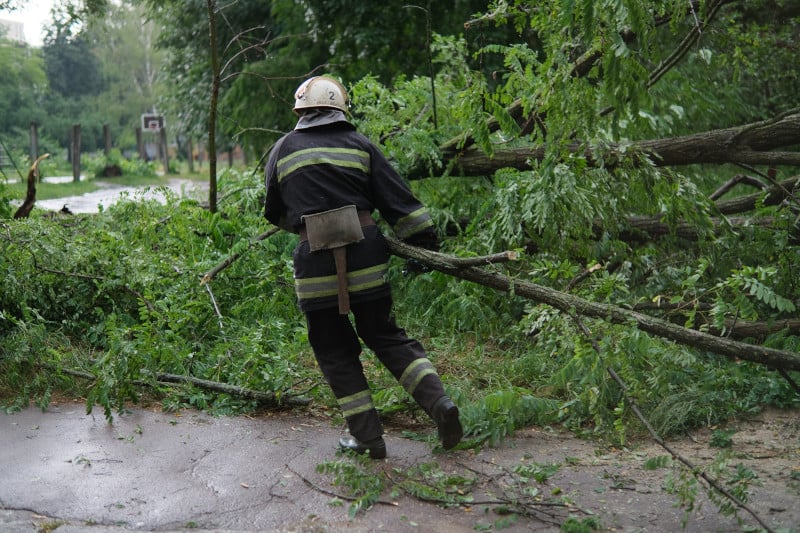
Severe Weather
Evaluate resilience against storms, wind and other weather hazards.

Operational Disruption
Understand how climate impacts could affect critical business functions.
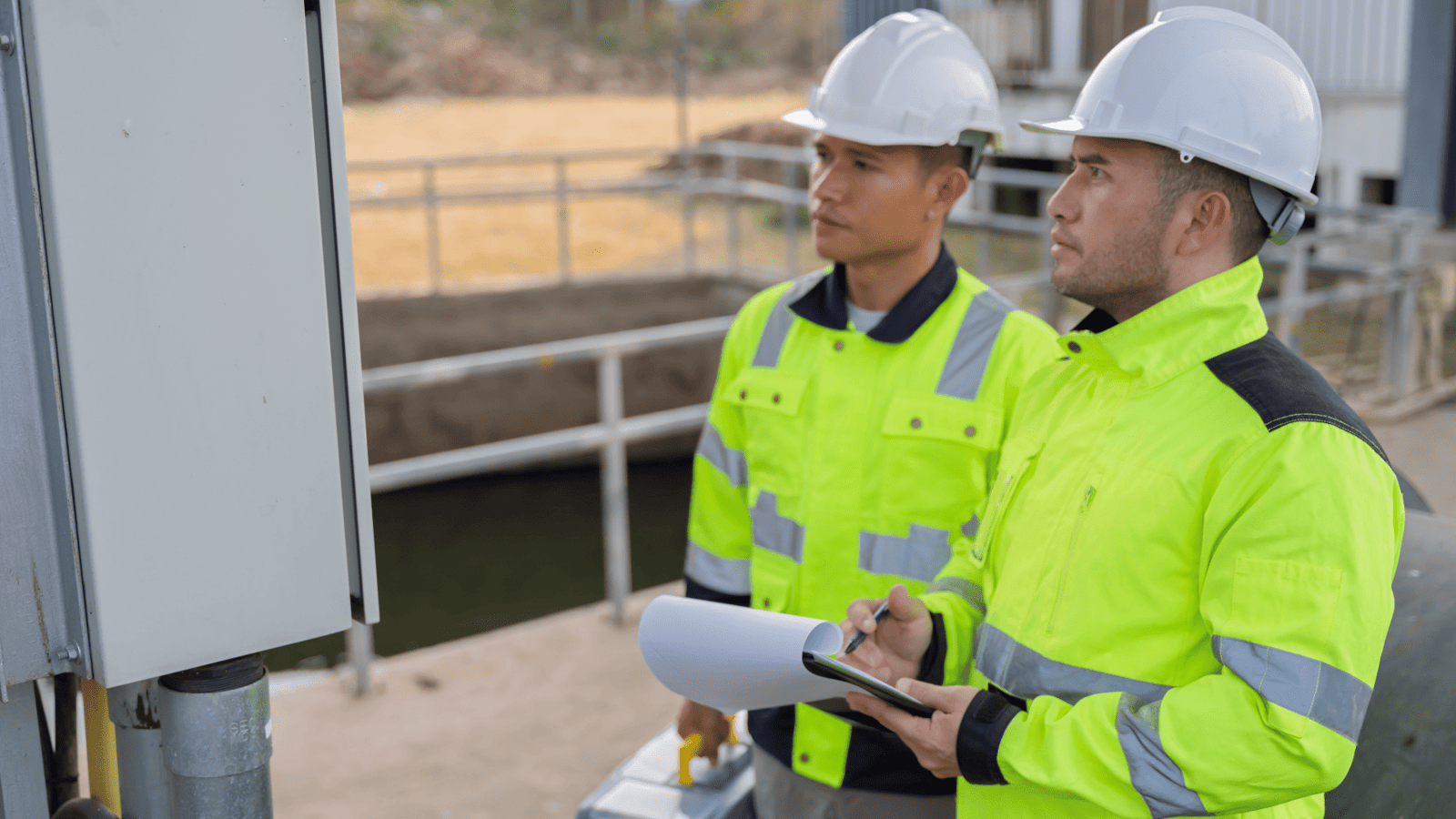
Asset Vulnerabilities
Identify weaknesses in facilities, controls and site infrastructure.
Evaluate Climate Risks and Gain Actionable Resilience Insights
Effective climate resilience requires more than identifying risks. It requires practical insight that supports confident decision-making and meaningful action. Our approach combines climate expertise, site-level analysis and risk engineering knowledge to help businesses understand vulnerabilities, evaluate options and prioritise improvements. The result is a clearer path towards protecting critical assets, supporting operational continuity and improving long-term resilience outcomes.

Risk Insights and Industry Intelligence
Stay informed with expert insight on evolving risks, regulations and industry trends to strengthen resilience and stay ahead.
Climate Risk Assessment FAQs
A climate risk assessment evaluates how current and future climate-related hazards may affect an organisation's assets, operations, people and business objectives. The assessment identifies vulnerabilities, analyses potential impacts and reviews existing controls. The findings help organisations prioritise actions, improve resilience and make more informed risk management decisions.
Climate risk assessments can evaluate a range of hazards depending on location and operational exposure. These may include flooding, storm surge, extreme rainfall, wildfire, heat stress, drought, severe weather and other climate-related threats. The assessment focuses on the hazards most relevant to a site's geographic location, infrastructure and operational requirements.
Climate risk assessments are valuable for organisations responsible for buildings, infrastructure, manufacturing operations, logistics networks, critical facilities and complex property portfolios.
Climate risk assessments provide a structured understanding of where vulnerabilities exist and how they may affect business performance. By identifying priority risks and evaluating current controls, organisations can develop targeted adaptation strategies, strengthen resilience measures and support long-term planning for climate-related disruptions.
Yes. Depending on the requirement, climate assessments can be conducted through desktop data analysis, site documentation reviews or on-site evaluations.
Typical inputs for a climate assessment include site location data, building information, operational details, existing controls and other information relevant to understanding climate exposure and resilience.
Deliverables typically include a detailed assessment report outlining relevant climate hazards, site vulnerabilities, potential impacts and existing resilience measures. The report also provides prioritised recommendations that can help organisations improve preparedness, reduce risk exposure and strengthen resilience across their locations or operations.
Discuss Your Supply Chain Cyber Risks
Cyber risks within the supply chain can be difficult to identify without a structured review of supplier dependencies, vulnerabilities and governance processes. Our specialists can help you better understand third-party cyber exposures and identify practical actions to strengthen resilience across your supplier ecosystem.